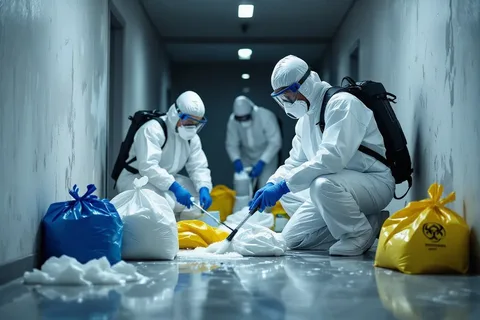
After a suicide, blood, bodily fluids, and contaminated materials can create serious health and safety concerns inside a home or business. These hazards may remain on floors, walls, furniture, and other surfaces even when visible stains are no longer present. Ordinary cleaning methods may not completely address biological contamination or the risks associated with handling affected materials.
At Quality Restoration Services Inc, we understand that suicide scenes require careful handling, thorough cleaning, and respectful attention. Our Suicide Cleanup services are designed to address blood, bodily fluids, and other biological hazards while helping restore the affected property to a safer condition. This guide explains why professional cleanup is important, how biological hazards are handled, and what property owners can expect during the cleanup and restoration process.
What Is Suicide Cleanup?
Suicide cleanup is the specialized biohazard remediation and deep cleaning of a location where a suicide has occurred. It involves carefully addressing blood, bodily fluids, contaminated materials, and other biological hazards that may remain at the scene. Unlike ordinary household cleaning, this process requires proper assessment, protective measures, disinfection, and safe removal of affected materials.
Professional cleanup may be needed when:
- Blood or bodily fluids are present on floors, walls, furniture, or other surfaces.
- Contaminated materials need to be removed from the property.
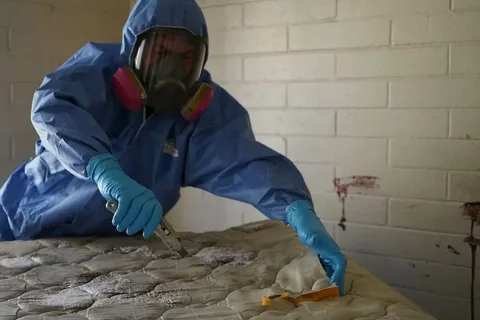
- Biological fluids have entered porous materials.
- Unpleasant odors remain after the incident.
- Affected areas require detailed cleaning and disinfection.
- Contaminated waste requires proper handling and disposal.
The goal is to address the affected area carefully while reducing potential exposure and helping return the property to a cleaner condition.
Why Professional Suicide Cleanup Matters
Blood and bodily fluids may contain harmful microorganisms that require careful handling. Attempting to clean an affected area without suitable protection and procedures can increase the possibility of exposure or spread contamination to other parts of the property.
Professional suicide cleanup helps with:
- Identifying visible and less obvious contamination.
- Limiting access to the affected area.
- Removing materials that cannot be safely cleaned.
- Cleaning and disinfecting contaminated surfaces.
- Treating odors caused by biological materials.
- Managing contaminated waste appropriately.
Professional technicians also handle these situations with discretion and respect, allowing families and property owners to avoid dealing with the physical cleanup themselves. Working with an Trusted suicide cleanup company in Sarasota, FL allows property owners to receive professional cleanup and restoration while reducing exposure to blood and biological hazards.
Common Biological Hazards Found During Suicide Cleanup
A suicide scene can involve different forms of biological contamination depending on the circumstances and location. Blood is often a major concern, but bodily fluids and contaminated objects may also require professional attention.
Common hazards can include:
- Blood and blood-stained materials
- Bodily fluids
- Contaminated furniture
- Porous materials that have absorbed biological fluids
- Contaminated clothing and personal belongings
- Biological waste
- Persistent odors from affected materials
Each surface and material should be evaluated to determine whether it can be cleaned, disinfected, or needs to be removed.
Average Suicide Cleanup Cost
Typical Suicide Cleanup Cost Ranges
| Type of Cleanup | Typical Cost Range |
| Small blood cleanup | $1,500 – $3,000 |
| Trauma scene cleanup | $2,500 – $7,500 |
| Suicide cleanup | $2,500 – $8,000 |
| Unattended death cleanup | $3,000 – $10,000 |
| Decomposition cleanup | $5,000 – $25,000+ |
| Hoarding with biohazards | $3,000 – $20,000+ |
| Infectious disease disinfection | $1,500 – $10,000+ |
| Large commercial biohazard event | $10,000 – $100,000+ |
Note: Actual cleanup costs can vary depending on the size of the affected area, level of contamination, materials involved, and restoration required.
How Does the Suicide Cleanup Process Work?
The suicide cleanup process begins with a careful assessment of the affected property rather than immediately starting the cleaning work. Professionals first identify visible and hidden contamination, evaluate affected materials, and determine the safest approach for remediation. Recent 2026 guidance emphasizes that contamination may extend into porous materials, flooring, walls, furniture, and other areas that are not immediately visible.
Step 1: Site Assessment
The cleanup begins with a detailed inspection of the affected location. Technicians identify blood, bodily fluids, contaminated materials, affected surfaces, and areas that may require additional treatment. This assessment helps determine the scope of cleanup and the appropriate procedures for the property.
Step 2: Containment of the Affected Area
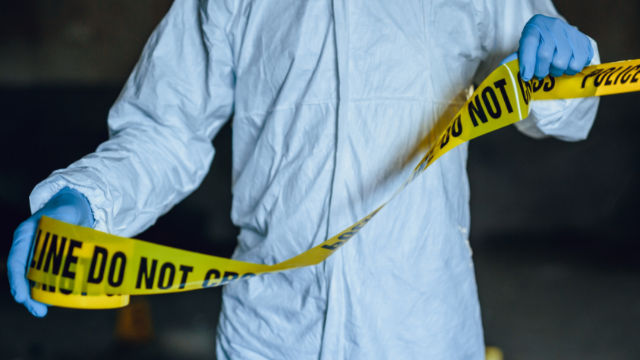
The affected area is isolated to help prevent biological contamination from spreading to other parts of the property. Professional teams may establish containment barriers and use protective equipment and air-control measures based on the conditions at the site.
Step 3: Biohazard Removal
Blood, bodily fluids, contaminated materials, and items that cannot be safely disinfected are carefully removed from the affected area. Materials are handled and separated appropriately to reduce exposure and prevent contamination from spreading during the cleanup process.
Step 4: Cleaning and Disinfection
After contaminated materials are removed, affected surfaces are thoroughly cleaned and disinfected. Professional procedures may include removing visible contamination, cleaning surfaces, and applying appropriate disinfectants according to the material and level of contamination.
Step 5: Deodorization
Strong odors may remain when biological materials have affected porous surfaces or surrounding areas. Deodorization can involve deep cleaning, odor-neutralizing treatments, and air-treatment equipment such as HEPA air scrubbers or other specialized systems. Ozone equipment may also be used in some professional remediation situations when appropriate.
Step 6: Odor Control and Air Treatment
Biological contamination can leave persistent odors, particularly when fluids have entered porous materials. Odor treatment begins by addressing the source of the contamination rather than simply covering the smell.
Depending on the conditions, professional equipment such as HEPA air scrubbers or other odor-control methods may be used to improve the affected environment.
Step 7: Final Inspection and Restoration
After cleaning, disinfection, and odor treatment are completed, technicians perform a final inspection of the affected area. They check for remaining contamination, unresolved odors, or materials that require additional attention.
Once remediation is complete, necessary repairs or reconstruction can begin for materials that were removed during the cleanup process.
This structured process helps ensure that suicide cleanup addresses more than visible stains by considering hidden contamination, affected materials, safe disposal, disinfection, and the condition of the property before it is returned to normal use.
Types of Properties That Require Suicide Cleanup
A suicide can occur in many different types of properties, and each location may have its own cleanup requirements. Professional cleanup may be needed in:
- Houses and apartments
- Condominiums
- Rental properties
- Hotels
- Offices and workplaces
- Commercial buildings
- Shared residential areas
- Enclosed vehicles
The cleanup approach depends on the location, affected materials, and level of contamination.
Residential and Commercial Suicide Cleanup
Residential cleanup may involve bedrooms, bathrooms, living areas, flooring, furniture, and other household spaces. Commercial properties may require attention in offices, employee areas, restrooms, common spaces, or other locations affected by biological contamination.
Our team evaluates each situation individually and determines an appropriate approach based on the property and affected materials. Containment, material removal, cleaning, disinfection, and restoration are handled according to the conditions found at the site.
Benefits of Professional Suicide Cleanup
Professional cleanup can make a difficult situation easier for families, property owners, landlords, and businesses. Trained technicians can manage biological hazards while reducing the need for others to enter or clean the affected area.
Benefits include:
- Detailed assessment of affected areas
- Safer handling of contaminated materials
- Thorough cleaning and disinfection
- Reduced risk of cross-contamination
- Professional odor treatment
- Proper management of biological waste
- Support with property restoration
Professional assistance also allows affected individuals to focus on personal and family matters instead of managing the physical cleanup.
Safe Disposal of Contaminated Materials
Some items exposed to blood or bodily fluids cannot be treated as ordinary household waste. Contaminated materials require careful handling to reduce the possibility of exposure or spreading biological hazards.
Professional cleanup teams identify affected materials, prepare them for removal, and follow appropriate procedures for handling contaminated waste. This provides a safer approach than placing biological materials into regular trash.
Blood and Biological Hazard Cleanup
Blood can spread across surfaces and enter flooring, furniture, cracks, seams, and porous materials. Simply wiping away visible stains may not address contamination that has reached hidden or difficult-to-access areas.
Professional technicians use appropriate cleaning and disinfecting methods based on the affected surface and level of contamination. This helps address visible and less obvious biological hazards while reducing the possibility of contamination spreading to surrounding areas.
Advanced Equipment Used During Suicide Cleanup
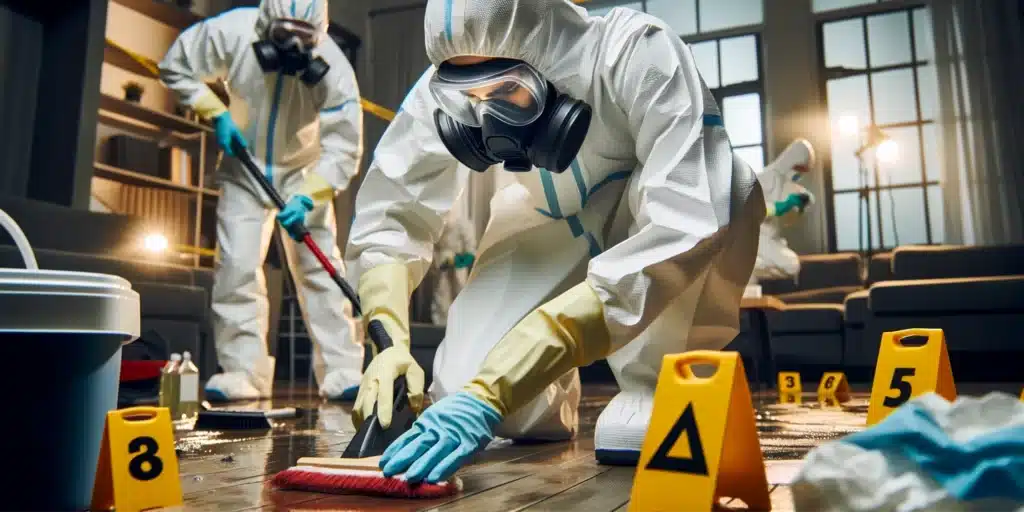
Professional suicide cleanup may require specialized equipment and protective materials to manage affected environments safely. Depending on the situation, technicians may use:
- Personal protective equipment
- Containment materials
- Specialized cleaning tools
- Disinfecting products
- Odor-control equipment
- Materials for removing contaminated items
- Containers for biological waste
Using suitable equipment allows technicians to work more safely and maintain proper procedures throughout the cleanup.
When Should You Call a Suicide Cleanup Company?
A professional cleanup company should be contacted when blood, bodily fluids, or other biological hazards remain after a suicide. Getting professional help can reduce unnecessary exposure and help prevent contamination from spreading to other areas.
Professional assistance may be appropriate when:
- Blood has affected floors, walls, furniture, or other surfaces.
- Bodily fluids have entered porous materials.
- Strong odors remain at the property.
- Contaminated items require removal.
- The affected area needs detailed disinfection.
- Family members, employees, or other occupants should avoid direct contact with the scene.
A professional assessment can help determine the cleaning, removal, and restoration work required.
Why Choose Quality Restoration Services Inc?
Quality Restoration Services Inc provides professional cleanup and restoration support for properties affected by traumatic incidents and biological hazards. Our team understands the importance of careful work, proper contamination control, and respectful communication throughout the cleanup process.
We focus on assessing affected areas, removing contaminated materials, cleaning and disinfecting surfaces, controlling odors, and helping restore the property. Whether the incident occurs in a residential or commercial setting, our team works carefully to address the affected space and support the restoration process.
Final Thoughts
Suicide scenes can leave behind blood, bodily fluids, contaminated materials, and unpleasant odors that require more than standard household cleaning. Professional suicide cleanup provides a structured approach for assessing the area, controlling contamination, removing affected materials, disinfecting surfaces, and supporting property restoration.
Professional assistance can help reduce potential exposure risks while relieving families and property owners from handling a difficult and traumatic cleanup themselves. Quality Restoration Services Inc provides careful and professional support for properties requiring suicide cleanup.
Frequently Asked Questions
1. What does suicide cleanup involve?
Suicide cleanup can include site assessment, containment, removal of contaminated materials, blood cleanup, disinfection, odor control, and final inspection.
2. Can blood be removed from porous surfaces?
Some porous materials may be cleaned depending on their condition, while heavily contaminated materials may require removal. A professional assessment can determine the appropriate approach.
3. How long does suicide cleanup take?
The timeframe varies depending on the size of the affected area, the materials involved, and the amount of contamination. An assessment can help determine the expected scope of work.
4. How much does biohazard cleanup cost on average?
Most biohazard cleanup projects cost between $2,500 and $8,000, although severe contamination cases can exceed $25,000.
5. Is regular household cleaning enough after a suicide?
Regular household cleaning may not address all biological contamination. Professional cleanup uses appropriate procedures to identify, remove, and disinfect affected areas.