
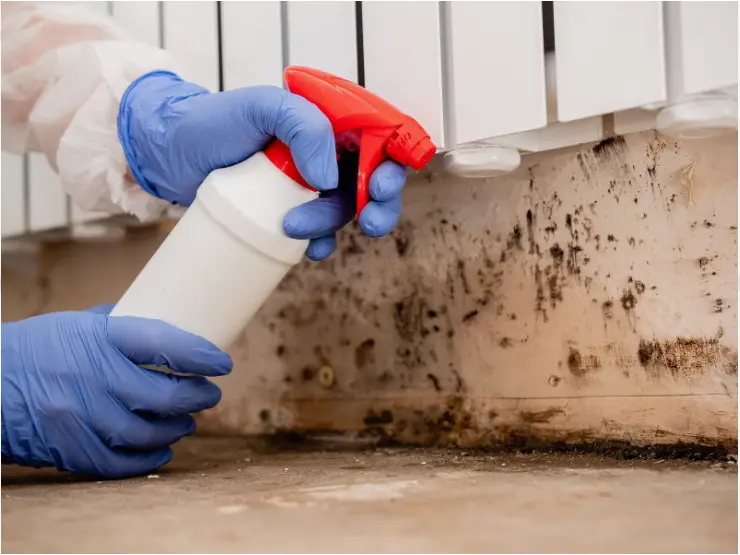
Finding a musty smell, noticing dark spots on a wall, or discovering moisture around a window can raise concerns about mold in your home. However, identifying a potential mold problem and determining whether testing is necessary are two different steps. Understanding the difference between mold inspection vs. mold testing can help you make informed decisions about your property’s indoor environment.
A mold inspection focuses on identifying visible mold, moisture sources, and conditions that may encourage mold growth. Mold testing involves collecting samples of air or surfaces and analyzing them to determine what mold is present or how much is detected in the sample.
For homeowners in Port Charlotte and Southwest Florida, where humidity, heavy rainfall, plumbing leaks, and hurricane-related water intrusion can create moisture problems, knowing when to consider each service is particularly useful. Quality Restoration Services Inc. helps property owners understand restoration needs and address concerns related to mold and water damage.
What Is a Mold Inspection?
A mold inspection is an assessment of a property to identify visible mold growth, water damage, excessive moisture, and areas where mold may be developing. The goal is to understand the extent of a potential problem and investigate the conditions that may be causing it.
Mold can grow on drywall, wood, carpeting, insulation, and other materials when sufficient moisture is present. Sometimes, the signs are easy to see. In other cases, mold may be concealed behind walls, beneath flooring, or around plumbing fixtures.
During a professional mold inspection, the inspector may examine the following areas:
- Walls and ceilings: Water stains, discoloration, peeling paint, bubbling surfaces, or visible mold growth.
- Bathrooms and kitchens: Areas around sinks, tubs, showers, cabinets, and plumbing connections.
- Windows and doors: Condensation, water intrusion, damaged seals, and moisture around frames.
- Attics and crawl spaces: Signs of roof leaks, damp materials, condensation, or inadequate ventilation.
- HVAC areas: Moisture around air handlers, drain pans, and accessible components where mold-related concerns may exist.
- Previously damaged areas: Locations affected by flooding, plumbing leaks, roof damage, or earlier water restoration work.
Inspectors may use moisture meters, thermal imaging equipment, or other tools when appropriate. These tools can help identify areas that need further investigation, although they do not independently confirm the presence of mold.
A mold inspection should also consider the likely source of moisture. Addressing that source is essential because mold can return if the underlying moisture problem remains unresolved.
When Should You Schedule a Mold Inspection?
You may want to consider a mold inspection if you notice:
- A persistent musty odor without an obvious explanation.
- Visible mold-like growth on walls, ceilings, flooring, or furniture.
- Water stains or bubbling paint following a leak.
- Repeated condensation around windows or on walls.
- Previous flooding or water damage that may not have dried completely.
- Suspected moisture behind drywall or beneath flooring.
- Recurring moisture problems in a bathroom, attic, or other poorly ventilated area.
An inspection may also be useful before buying a property when there are signs of water intrusion or a history of moisture damage.
Not every property needs a mold inspection simply because it is located in a humid climate. The decision should depend on the property’s condition, moisture history, and any warning signs.
What Is Mold Testing?
Mold testing involves collecting samples from a property and analyzing them to obtain information about the mold present in those samples. Depending on the situation, testing may involve indoor air samples, outdoor air samples, surface samples, or samples from building materials.
Unlike a visual inspection, mold testing provides laboratory information about the collected samples. However, it does not automatically identify every mold problem in a building or establish whether a property is completely mold-free.
Common types of mold testing include the following.
1. Air Sampling
Air sampling collects airborne particles from a particular location. A laboratory may analyze the sample to identify and quantify mold spores detected in it.
Air sampling may be considered when there is a persistent musty odor, suspected hidden mold, or a need to investigate airborne mold concerns. The results depend on factors such as sampling location, indoor activity, ventilation, weather, and outdoor conditions.
Air sampling provides information about the air at the time and location of collection. A single sample cannot necessarily represent every room or condition throughout a property.
2. Surface Sampling
Surface sampling involves collecting material from a particular surface, such as a wall, ceiling, or other area with suspected mold growth.
Depending on the method used, laboratory analysis may help identify the types of mold present in the sample. This can be useful when visual identification is uncertain or when additional information is needed for an assessment.
Surface testing is not always necessary when mold growth is already clearly visible. In many cases, the immediate priorities are to correct the moisture source and determine the appropriate cleanup or remediation approach.
3. Bulk or Material Sampling
Bulk sampling involves collecting a small piece of material, such as drywall or another building component, for analysis. This approach may be considered when the condition of a particular material needs further investigation.
Because collecting material can disturb a potentially contaminated area, sampling should be performed carefully and only when the information is useful.
What Can Mold Testing Tell You?
Depending on the sample type and laboratory method, mold testing may help determine:
- Which mold types were detected in the collected sample.
- The quantity of mold spores or other mold material measured by the selected method.
- Whether mold was detected on a particular surface or in a sampled area.
- Whether additional investigation may be helpful when considered alongside inspection findings.
Testing has limitations. There is no single universal indoor mold concentration that establishes whether every building is safe or unsafe. Results must be interpreted in context, and a negative sample does not rule out mold in other locations or at other times.
Mold Inspection vs. Mold Testing: Key Differences
Although mold inspection and mold testing are related, they serve different purposes.
| Feature | Mold Inspection | Mold Testing |
|---|---|---|
| Main purpose | Identify visible mold, moisture problems, and potential sources | Analyze collected samples for mold-related information |
| Primary method | Visual assessment and moisture investigation | Air, surface, or material sampling |
| Identifies moisture sources | Often a major part of the assessment | Not its primary purpose |
| Identifies mold types | Usually not confirmed by visual inspection alone | May identify mold types through laboratory analysis |
| Detects hidden concerns | May identify clues and areas requiring further investigation | May provide additional information about selected areas |
| Always necessary? | Depends on the property and circumstances | No; testing is not required for every suspected mold problem |
The most important distinction is that a mold inspection evaluates the property and its moisture conditions, while mold testing analyzes specific samples.
Neither service should be treated as a substitute for correcting water intrusion or resolving an ongoing moisture problem.
Do You Need a Mold Inspection, Mold Testing, or Both?
The right approach depends on what you have observed and what questions need to be answered.
When a Mold Inspection May Be Enough
If visible mold growth is present and the source of moisture is reasonably clear, collecting samples may not change the immediate response. The priority is generally to correct the moisture problem, assess affected materials, and determine the appropriate cleanup or remediation steps.
For example, if a plumbing leak has caused visible mold-like growth beneath a bathroom sink, an assessment of the damaged materials and moisture source may be more immediately useful than routine air testing.
When Mold Testing May Be Helpful
Testing may be worth considering when additional information would help answer a specific question. Examples include:
- Investigating a persistent musty odor when the source is unclear.
- Gathering information about suspected hidden mold.
- Evaluating a particular indoor air concern alongside an inspection.
- Documenting certain conditions before or after remediation when appropriate.
- Addressing a specific question raised by a property assessment.
Testing should have a clear purpose. Collecting samples without knowing what question the results are intended to answer may provide little practical value.
When Both Services May Be Appropriate
A mold inspection and mold testing may be useful together when the property’s condition is unclear or when laboratory information would help guide further investigation.
For instance, a homeowner may notice a musty smell in a bedroom after a roof leak was repaired. An inspection could identify moisture damage around the ceiling and determine which areas warrant closer attention. If further information is needed, targeted sampling may help evaluate the concern.
The decision to test should be based on the circumstances rather than an assumption that every inspection must include laboratory analysis.
What Are the Signs of Hidden Mold in a Home?
Mold does not always appear as obvious black, green, or white patches. Sometimes, the warning signs involve moisture or changes in building materials.
Common indicators include:
Persistent musty odors: An earthy or musty smell may indicate damp materials or possible mold growth, although odors can have other causes.
Discoloration on walls or ceilings: Brown stains, dark spots, and uneven patches may indicate water damage. Their appearance alone cannot confirm that mold is present.
Peeling paint or bubbling drywall: These changes can occur when building materials have been exposed to moisture.
Warped flooring or swollen baseboards: Wood and other materials may change shape after prolonged moisture exposure.
Recurring condensation: Persistent condensation can indicate excessive indoor humidity, inadequate ventilation, or temperature differences that need attention.
A history of water damage: Roof leaks, burst pipes, flooding, and poorly dried building materials can increase the likelihood of mold growth.
If you suspect mold behind drywall, beneath flooring, or inside another concealed space, avoid opening large sections of the structure without an appropriate plan. Disturbing affected materials may release particles into the surrounding area. A professional assessment can help determine whether further investigation is warranted.
Why Mold Concerns Are Important in Southwest Florida
Homes in Port Charlotte and surrounding Southwest Florida communities face environmental conditions that can make moisture management particularly important.
High outdoor humidity, frequent rain, tropical storms, and hurricane-related water intrusion can introduce moisture into building materials. Air conditioning systems can also develop condensation problems when drainage, maintenance, or humidity control is inadequate.
These conditions do not automatically mean that a home has mold. However, they make it important to investigate leaks promptly and ensure that wet materials are dried appropriately.
Homeowners can reduce moisture-related risks by taking practical steps:
- Repair roof leaks and plumbing problems as soon as possible.
- Check around windows and doors after heavy rainfall.
- Use bathroom exhaust fans where appropriate.
- Keep indoor humidity under control, ideally around 30%–50% when practical.
- Maintain air conditioning systems and their condensate drainage.
- Dry water-damaged materials promptly and seek professional help when damage is extensive or contaminated.
- Investigate recurring musty odors rather than covering them with air fresheners.
After flooding, be especially careful. Floodwater may contain sewage, chemicals, or other contaminants. Extensive flooding and water damage involving potentially contaminated water should be assessed by qualified professionals.
What Happens After a Mold Inspection or Mold Test?
The next step depends on the findings.
If an inspection identifies a leak, condensation issue, or another moisture source, that problem should be corrected. Wet materials may need professional drying, cleaning, removal, or replacement, depending on their condition and the extent of the damage.
If mold testing is performed, the results should be interpreted alongside the inspection findings, sampling method, and conditions present when the samples were collected. A laboratory report alone does not determine the complete scope of a mold problem.
When remediation is necessary, the process generally involves:
- Identifying and correcting the moisture source. This may involve repairing plumbing, roof leaks, drainage problems, or other sources of water intrusion.
- Assessing affected materials. The condition and extent of damage help determine whether materials can be cleaned or require removal.
- Containing and addressing affected areas. Appropriate work practices help limit the spread of mold and dust during remediation.
- Cleaning or removing damaged materials. The approach depends on the materials, contamination, and extent of the problem.
- Verifying that moisture problems have been resolved. Follow-up assessment or testing may be appropriate in certain circumstances.
There is no single testing procedure that guarantees a building is completely free of mold. A successful response focuses on correcting the underlying moisture problem, addressing affected materials, and determining whether the work has achieved its intended objectives.
Frequently Asked Questions
1. Is mold inspection the same as mold testing?
No. Mold inspection focuses on identifying visible mold, moisture problems, water damage, and conditions that may support mold growth. Mold testing involves collecting and analyzing samples to obtain information about mold present in the sampled air or materials. The two services may complement each other, but they are not interchangeable.
2. Can you have mold without seeing it?
Yes. Mold may develop behind drywall, beneath flooring, around plumbing, or in other concealed areas. A persistent musty odor or evidence of past water damage may justify further investigation, although neither sign confirms mold by itself.
3. Is mold testing always necessary?
No. Testing is not necessary for every suspected mold problem. When visible mold and the moisture source are already clear, addressing the affected area may be the main priority. Testing is most useful when it answers a specific question that cannot be adequately resolved through inspection alone.
4. How long does a mold inspection take?
The time required depends on the size of the property, accessibility of affected areas, and complexity of the moisture problem. A straightforward inspection may take less time than an assessment involving multiple rooms, concealed spaces, or a history of extensive water damage. Ask the service provider what the assessment includes and when you can expect the findings.
5. How long do mold testing results take?
The turnaround time depends on the sampling method, laboratory, and type of analysis requested. Some analyses can be completed relatively quickly, while others take longer. Confirm the expected turnaround time with the professional collecting the samples.
6. Can a mold test come back negative even when mold is present?
Yes. A negative result means mold was not detected in that particular sample using the selected method. Mold may be present in another location, may not have been airborne during sampling, or may not have been captured by the sample. Results should always be considered alongside the property’s condition.
7. Can I test my home for mold myself?
Home testing kits are available, but their results may have limited usefulness without proper sampling and interpretation. A positive result does not necessarily establish the extent of a problem, and a negative result does not rule out hidden mold. If you have extensive water damage, recurring moisture, or suspected concealed mold, professional assessment may be more informative.
8. What should I do if I find mold after a water leak?
First, address the leak if it is safe to do so. Avoid disturbing the affected material, and assess the extent of the water damage. Small areas on suitable surfaces may sometimes be manageable with appropriate precautions, but extensive growth, contaminated water, recurring moisture, or affected porous materials may require professional remediation.
9. Does homeowners insurance cover mold inspection or remediation in Florida?
Coverage varies by policy, the cause of the damage, applicable exclusions, and other circumstances. Some policies may cover certain mold-related losses resulting from a covered event, while others may limit or exclude coverage. Review your policy and speak with your insurance company before assuming an inspection or remediation expense will be reimbursed.
10. When should I contact a mold remediation company?
Consider contacting a qualified professional when mold growth covers a substantial area, repeatedly returns, follows extensive water damage, involves potentially contaminated water, or appears to affect concealed building materials. Professional assistance may also be appropriate when the moisture source is difficult to identify or the cleanup requires specialized containment.
Schedule a Mold Inspection in Port Charlotte, FL
Understanding the difference between mold inspection vs. mold testing helps you choose the next step based on your property’s actual condition. An inspection can help identify visible mold, moisture sources, and areas requiring further investigation, while testing may provide additional information when sample analysis is appropriate.
If you have noticed musty odors, unexplained moisture, visible mold-like growth, or signs of previous water damage, do not ignore the underlying issue. Correcting moisture problems and assessing affected materials can help prevent further property damage.
Quality Restoration Services Inc. serves property owners in Port Charlotte and the surrounding Southwest Florida area with restoration-related services, including mold inspection and remediation support. Contact the company to discuss your concerns and determine what type of assessment may be appropriate for your property.
Take the next step toward addressing your property’s moisture and mold concerns with a professional assessment.