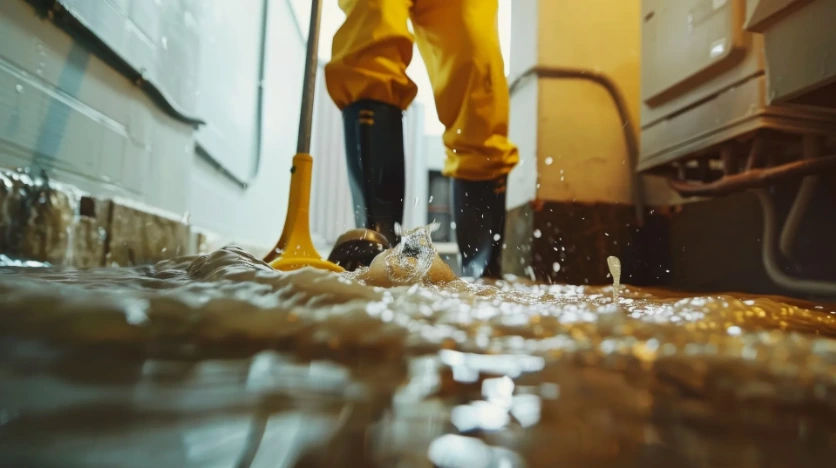
Water damage can create expensive problems for Florida homeowners, whether it comes from a burst pipe, leaking appliance, overflowing air conditioning unit, or severe storm. Even a small leak can affect drywall, flooring, cabinets, insulation, and other building materials if the water is not removed promptly. Understanding the potential cost of water damage restoration can help you plan repairs and make informed decisions when your property is affected.
In Florida, a typical water damage restoration project may cost between $1,300 and $5,600, with an estimated average of approximately $3,867. However, the final price depends on the amount of water, the source of the damage, the affected square footage, and whether structural repairs or mold remediation are necessary.
For homeowners in Port Charlotte and Southwest Florida, the region’s warm, humid conditions make a timely response especially important. Quality Restoration Services Inc. provides water damage mitigation and restoration services to help property owners address water intrusion, dry affected areas, and restore damaged spaces.
Average Cost of Water Damage Restoration in Florida
The average cost of water damage restoration in Florida generally falls between $1,300 and $5,600 for many typical projects. Smaller incidents may cost less, while extensive flooding or damage affecting several rooms can exceed $10,000. Major property losses involving contaminated water and reconstruction can cost $30,000 or more.
These estimates are general planning figures rather than fixed service prices. A restoration professional must assess the affected areas and determine which materials can be dried, which need removal, and what repairs are required.
| Water Damage Project | Estimated Cost |
|---|---|
| Small water damage incident | $1,300–$2,000 |
| Moderate water damage | $2,000–$5,600 |
| Extensive water damage | $5,600–$10,000+ |
| Major whole-house flooding | $10,000–$35,000+ |
The figures above are broad examples. Actual costs depend on the size and condition of the property, water contamination, equipment requirements, and reconstruction needs.
Water Damage Restoration Cost by Water Category
The source of the water is one of the most important factors affecting restoration costs. Restoration professionals generally classify water damage into three categories based on contamination levels. Each category requires different handling procedures, protective equipment, and cleanup methods.
Clean Water Damage
water comes from a sanitary source, such as a broken water supply line, overflowing sink, or leaking faucet. This type of water generally presents a lower contamination risk when addressed promptly.
Estimated mitigation cost: $3–$4 per square foot
Although clean water may initially seem less serious, it can still damage drywall, flooring, cabinets, and insulation. If it remains untreated, contaminants can enter the water, and moisture can create conditions that support mold growth.
Gray Water Damage
water contains a level of contamination that may cause discomfort or illness if people come into contact with it. Common sources include washing machine overflows, dishwasher leaks, and certain appliance-related water releases.
Estimated mitigation cost: $4–$6.50 per square foot
Gray water damage may require additional cleaning, removal of affected materials, and sanitizing procedures. The restoration scope depends on how far the water has spread and which building materials have absorbed it.
Black Water Damage
Water is heavily contaminated and can contain harmful bacteria, pathogens, and other hazardous materials. Sewage backups, floodwater, storm surge, and rising groundwater are common examples.
Estimated mitigation cost: $7–$12+ per square foot
Black water requires specialized protective measures, controlled removal of contaminated materials, thorough cleaning, and appropriate disinfection. Porous materials such as carpet, insulation, and drywall may need to be removed when they cannot be safely restored.
These per-square-foot figures are indicative mitigation estimates, not complete project prices. Reconstruction, material replacement, and other additional work may increase the final cost.
Water Damage Restoration Costs by Project Phase
A complete water damage restoration project usually involves two major stages: mitigation and reconstruction. Understanding the difference helps homeowners see why the final estimate may be higher than the initial water extraction cost.
1. Water Mitigation and Structural Drying
Mitigation focuses on stopping further damage and removing moisture from the property. Depending on the situation, this stage may include:
- Emergency water extraction
- Removal of standing water
- Placement of air movers and commercial dehumidifiers
- Moisture detection and monitoring
- Removal of severely damaged materials
- Cleaning and appropriate antimicrobial treatment
Estimated mitigation cost: $3–$7.50 per square foot
Mitigation may account for approximately 30%–40% of a complete restoration project, although the proportion changes depending on the damage and repair requirements.
The purpose of this stage is to reduce moisture in affected materials and help prevent additional problems. Drying time varies according to the water volume, building materials, humidity, and equipment used.
2. Repairs and Reconstruction
Once the affected structure has been properly dried and damaged materials have been addressed, reconstruction can begin. The work may include:
- Drywall replacement and finishing
- Insulation replacement
- Flooring repairs or installation
- Baseboard and trim replacement
- Cabinet repairs or replacement
- Interior painting
- Repairs to other damaged building components
Estimated reconstruction cost: $20–$37 per square foot, depending on the materials and scope of work.
Reconstruction may account for approximately 60%–70% of the total project cost. More extensive repairs, custom cabinetry, specialty flooring, and structural work can increase the price.
It is important to understand that mitigation and reconstruction estimates cover different types of work. The final project estimate should clearly identify which services, materials, and repairs are included.
Common Water Damage Scenarios and Their Estimated Costs
Different water damage incidents affect properties in different ways. Here are some examples of common situations Florida homeowners may encounter.
Bathroom Burst Pipe: $1,500–$4,500
A burst bathroom supply line can release water into flooring, drywall, cabinets, and nearby rooms. A smaller incident affecting approximately 100–200 square feet may require water extraction, structural drying, removal of damaged drywall, and replacement of affected materials.
The cost depends on how quickly the leak is discovered and whether the water reaches the subfloor or adjacent spaces.
Kitchen Appliance Leak: $4,000–$10,000
A dishwasher, refrigerator water line, or washing machine leak can spread into nearby flooring and cabinetry. If the water affects several areas, the restoration process may require removal of wet carpet padding, damaged baseboards, drying equipment, and additional cleaning.
Gray water contamination can also increase the amount of work required.
Air Conditioning Condensate Overflow: $3,000–$7,500
Air conditioning systems produce condensation during normal operation. When a condensate drain becomes clogged or a drain pan overflows, water may spread into ceilings, walls, and surrounding rooms.
This problem can be particularly concerning when an air conditioning unit is located above a finished living space. Restoration may involve opening affected ceiling sections, drying insulation and framing, replacing damaged drywall, and repainting.
Major Storm or Whole-House Flooding: $10,000–$35,000+
Severe storms, flooding, and major plumbing failures can affect multiple rooms or an entire floor. Extensive water intrusion may require large-scale extraction, removal of contaminated materials, structural drying, cleaning, and reconstruction.
When floodwater or sewage is involved, additional safety and decontamination procedures may be necessary. Projects involving extensive flooring, drywall, cabinetry, and structural repairs can exceed the estimated range.
What Factors Affect Water Damage Restoration Costs?
No two restoration projects are exactly alike. Several factors determine how much work is required and how much homeowners may need to spend.
1. Size of the Affected Area
A small leak under a bathroom sink is usually less expensive to address than water spreading across multiple rooms. Larger affected areas require more labor, equipment, drying time, and replacement materials.
2. Type and Source of Water
Clean water, gray water, and black water require different restoration procedures. Contaminated water may require additional protective equipment, specialized cleaning, and removal of materials that cannot be safely restored.
3. Time Before Water Removal
The longer water remains inside a property, the more opportunity it has to spread through building materials. Delayed water removal can increase damage to drywall, flooring, insulation, and wood structures.
In Florida’s humid climate, wet materials can develop mold growth within approximately 24–48 hours under favorable conditions. This is why homeowners should arrange an assessment and begin appropriate drying as soon as it is safe to do so.
4. Materials Affected by Water
Different materials respond to moisture in different ways. Tile and concrete may be easier to dry in some situations, while hardwood flooring, carpet padding, laminate, drywall, and insulation can absorb water and require removal or replacement.
Custom cabinets, specialty flooring, and other high-value finishes may also increase reconstruction expenses.
5. Mold Growth and Additional Remediation
If moisture remains trapped in walls, ceilings, flooring, or other materials, mold may develop. When mold contamination is present, the property may need a separate mold inspection and remediation process before reconstruction can proceed.
Depending on the affected area and severity, additional mold remediation may cost approximately $1,200–$3,400 or more. Larger or more complex contamination projects can cost significantly more.
6. Accessibility and Building Layout
Water damage in an easily accessible room may be simpler to address than moisture trapped beneath flooring, inside wall cavities, above ceilings, or in a multi-story property. Difficult access can increase labor requirements and extend the restoration process.
7. Reconstruction and Material Choices
The final cost also depends on what needs to be rebuilt. Replacing a small section of drywall is different from repairing several rooms with new flooring, cabinets, insulation, trim, and paint. Material selection and the amount of finishing work can significantly affect the total estimate.
Does Homeowners Insurance Cover Water Damage Restoration?
Homeowners insurance may cover certain types of water damage, but coverage depends on the cause of the incident and the terms of the policy.
Many policies cover sudden and accidental water damage, such as a burst plumbing pipe or an unexpected appliance supply-line failure. However, gradual leaks, neglected maintenance, and damage caused by rising floodwater may be excluded or handled under separate coverage.
Before beginning major repairs, homeowners should:
- Review their policy to understand what types of water damage are covered.
- Contact their insurance company promptly after discovering the damage.
- Take photographs and videos of affected areas when it is safe.
- Keep records of damaged belongings and restoration-related expenses.
- Save estimates, invoices, and other relevant documentation.
- Ask the insurance company whether an inspection or approval is required.
Do not assume that every water damage incident will be covered. Your insurance provider can explain the applicable coverage, exclusions, deductible, and claim requirements.
How Can Homeowners Reduce Water Damage Restoration Costs?
Although not every water damage incident can be prevented, taking a few practical steps can reduce the likelihood of extensive property damage.
Address leaks promptly: Repair dripping faucets, leaking pipes, damaged appliance connections, and other plumbing problems before they cause additional moisture damage.
Maintain your air conditioning system: Have the condensate drain and drain pan checked as part of routine HVAC maintenance to help reduce the risk of overflow.
Inspect vulnerable areas: Periodically check under sinks, around water heaters, near appliances, and in bathrooms for signs of moisture or discoloration.
Respond quickly to flooding: If water enters your property, address the source when it is safe and arrange professional water removal and drying.
Watch for hidden moisture: Musty odors, bubbling paint, warped flooring, and unexplained stains can indicate water damage that needs further inspection.
Avoid unsafe cleanup: Do not enter areas with standing water if electrical hazards may be present. Sewage, stormwater, and other contaminated water should not be handled without appropriate safety precautions.
Is Professional Water Damage Restoration Worth the Cost?
Professional water damage restoration can help address problems that are not always visible during a basic cleanup. Removing standing water is only one part of the process. Moisture can remain inside drywall, insulation, flooring, and structural materials even after the visible water has disappeared.
Professional restoration involves assessing affected areas, extracting water, monitoring moisture levels, and using appropriate drying equipment. When necessary, damaged materials are removed and the property is prepared for repairs.
Attempting to handle extensive water damage without identifying hidden moisture can leave problems behind. This may result in additional repairs, mold growth, and higher expenses later.
The value of professional restoration depends on the severity of the damage, but a proper assessment can help homeowners understand what needs attention and avoid overlooking affected areas.
How Quality Restoration Services Inc. Helps With Water Damage Restoration
Water damage can disrupt your home, damage personal belongings, and create additional repair needs. Having the affected areas properly assessed and addressed is an important part of restoring your property.
Quality Restoration Services Inc. provides water damage mitigation and restoration services for homes and businesses in Port Charlotte and nearby Southwest Florida communities. The company’s restoration services include emergency water damage mitigation, water removal, structural drying, and related remediation work.
The restoration process begins with understanding the source and extent of the water damage. The affected areas can then be evaluated to determine the appropriate cleanup, drying, and repair requirements.
Whether your property has experienced a plumbing leak, appliance overflow, air conditioning condensate problem, or more extensive water intrusion, getting the damage assessed promptly can help you understand the next steps.
If you are dealing with water damage, contact Quality Restoration Services Inc. to discuss your property and restoration needs.
Frequently Asked Questions
How much does water damage restoration cost in Florida?
A typical water damage restoration project in Florida may cost between $1,300 and $5,600, with an estimated average of approximately $3,867. Smaller incidents may cost less, while major flooding, contaminated water, and reconstruction can increase the total to $10,000–$35,000 or more.
How expensive is it to fix water damage in a house?
The cost depends on the size of the affected area, water category, materials involved, and repair requirements. A small bathroom leak may cost around $1,500–$4,500, while a major whole-house flood can cost $10,000–$35,000 or more.
How much does SERVPRO charge for water damage restoration?
SERVPRO pricing is not a single fixed amount for every property. The cost depends on the location, amount of water, contamination category, drying requirements, and reconstruction work. Homeowners should request an inspection and a project-specific estimate to understand the expected charges.
Is water damage restoration worth it?
Professional water damage restoration can be worthwhile because it addresses hidden moisture, supports proper structural drying, and helps identify materials that may need removal or repair. It can also reduce the risk of additional damage caused by moisture that remains inside the property.
Will homeowners insurance pay for water damage restoration?
Homeowners insurance may cover sudden and accidental water damage, such as certain burst-pipe or appliance leaks. Gradual leaks, maintenance-related problems, and rising floodwater may not be covered under a standard policy. Coverage depends on the policy terms and the cause of the damage.
How quickly should water damage be addressed?
Water damage should be addressed as soon as it is safe to do so. Prompt water removal and drying help limit damage to building materials. In Florida’s humid conditions, mold growth may begin within 24–48 hours when moisture remains and conditions are favorable.
How long does water damage restoration take?
The timeline depends on the amount of water, affected materials, and extent of the repairs. Water extraction may be completed relatively quickly, but structural drying can take several days. Reconstruction may require additional time, especially when flooring, drywall, cabinets, or other building materials need replacement.
Get Help With Water Damage Restoration in Southwest Florida
Water damage can become more complicated when moisture spreads into walls, ceilings, flooring, and other parts of a property. Acting promptly and understanding the required restoration work can help you make better decisions about cleanup and repairs.
Quality Restoration Services Inc. provides water damage restoration and mitigation services in Port Charlotte and nearby Southwest Florida communities. Contact the team at (941) 467-0088 to discuss your water damage concerns and find out what steps may be needed to restore your property.