Water damage can happen without warning. A burst pipe, leaking water heater, overflowing appliance, roof leak, or severe storm can allow water to enter your home and damage walls, flooring, ceilings, furniture, and other belongings. Even a small leak can become a major problem when moisture spreads into areas that are difficult to see or reach.
Acting quickly is important because standing water and trapped moisture can weaken building materials, damage personal belongings, and create conditions for mold growth. Professional water damage restoration addresses more than the visible water. It involves identifying the source, removing standing water, drying affected materials, cleaning contaminated areas, and repairing the damage.
Understanding what happens during restoration can help homeowners make informed decisions when an unexpected water emergency occurs. This guide explains common causes of water damage, immediate steps to take, the water damage restoration process, insurance considerations, and ways to protect your property from future problems.
What Is Water Damage Restoration?
Water damage restoration is the process of removing unwanted water, drying affected areas, cleaning and treating damaged materials when necessary, and repairing parts of a property affected by moisture.
The goal is to address both visible and hidden damage. Water can travel beneath flooring, behind drywall, into insulation, and through small openings around plumbing fixtures. Simply removing the water from the floor does not mean the property is completely dry.
Professional water damage restoration may involve:
- Emergency water removal and standing water extraction.
- Inspection of affected rooms and building materials.
- Moisture detection inside walls, floors, and ceilings.
- Structural drying with commercial air movers and dehumidifiers.
- Cleaning and sanitization of affected surfaces.
- Removal of materials that cannot be safely restored.
- Mold inspection or remediation when necessary.
- Water damage repair and reconstruction.
The exact work depends on the source of the water, how long it has been present, the materials affected, and the extent of the damage.
Common Causes of Water Damage in Homes
Water damage can result from plumbing problems, appliance failures, roof leaks, drainage issues, and severe weather. Identifying the source is an important part of preventing additional damage.
1. Burst or Leaking Pipes
Pipes can crack, corrode, loosen, or develop leaks over time. A sudden pipe failure can release a large amount of water into walls, ceilings, cabinets, and flooring. Even a slow plumbing leak can cause hidden moisture damage if it remains unnoticed.
2. Water Heater Leaks
Water heaters can leak because of corrosion, loose connections, pressure problems, or tank deterioration. Since water heaters are often installed in garages, utility rooms, or closets, a leak may spread before a homeowner notices it.
3. Roof Leaks and Storm Damage
Heavy rainfall, damaged shingles, flashing problems, and roof openings can allow water to enter an attic or ceiling. Moisture may spread through insulation and drywall before stains become visible.
4. Appliance Malfunctions
Washing machines, dishwashers, refrigerators, and other water-connected appliances can leak because of damaged hoses, faulty connections, or mechanical failures. A broken supply line can release enough water to affect multiple rooms.
5. Clogged Drains and Sewage Backups
Blocked drains, damaged sewer lines, and plumbing backups can cause contaminated water to enter bathrooms, kitchens, and other parts of a property. This type of water damage requires special cleaning and safety precautions.
6. Heavy Rainfall and Flooding
Storms, overflowing drainage systems, and rising floodwaters can introduce large amounts of water into a home. In Southwest Florida, homeowners should pay attention to heavy rainfall, tropical storms, and flooding risks.
Restoration flood damage may involve contaminated water, saturated building materials, and moisture that spreads beyond the visibly flooded areas. A proper inspection is necessary to determine what can be cleaned and what needs removal.
What Should You Do Immediately After Discovering Water Damage?
The first few actions you take can help limit additional property damage. However, safety should always come before cleanup.
1. Protect Yourself and Your Family
If water is near electrical outlets, appliances, wiring, or your electrical panel, avoid entering the affected area. Do not touch electrical equipment while standing in water. Contact emergency services or a qualified electrician when an electrical hazard is suspected.
If the water appears contaminated or comes from a sewage backup, avoid direct contact. Keep children and pets away from the affected area.
2. Stop the Source of Water
If it is safe to do so, turn off the main water supply when a plumbing leak or burst pipe is responsible. For an appliance leak, shut off its water supply if you can reach the valve safely.
If the water is entering through the roof or an exterior opening, arrange for the source of the intrusion to be addressed.
3. Contact a Water Damage Restoration Company
Professional restoration services can assess the affected areas, determine the appropriate cleanup approach, and begin water extraction and structural drying.
Early professional attention is especially important when water has reached drywall, insulation, subflooring, cabinets, or other materials that can retain moisture.
4. Document the Damage
Before moving or discarding damaged belongings, take photographs and videos when it is safe. Record visible water, damaged furniture, affected rooms, and any identifiable source of the leak.
Keep receipts for emergency expenses and maintain copies of communication with your insurance company. This documentation may help support your claim.
5. Avoid Common Cleanup Mistakes
Do not use a household vacuum to remove standing water unless it is specifically designed and approved for wet use. Avoid using fans or electrical equipment in areas where electrical hazards may exist.
Do not paint over water stains, cover wet flooring, or close up damp walls before the underlying materials have been properly inspected and dried. These shortcuts can hide moisture and lead to additional problems.
Understanding the Different Types of Water Damage
Not all water damage presents the same level of contamination. The source of the water helps determine the cleaning, protective equipment, and restoration methods required.
Category 1: Clean Water
Clean water generally comes from a sanitary source, such as a broken supply line, leaking faucet, or overflowing sink without contaminated contents.
Although this water may initially contain fewer contaminants, it can still damage building materials. Its condition can also change if it remains in contact with dirty surfaces or other contaminants.
Category 2: Gray Water
Gray water contains some level of contamination and may come from washing machines, dishwashers, or certain plumbing fixtures.
It can contain detergents, organic materials, and other substances. Appropriate protective measures and cleaning procedures are important when handling this type of water.
Category 3: Black Water
Black water is highly contaminated and can contain harmful microorganisms, sewage, chemicals, or other hazardous substances. Floodwater from certain sources and sewage backups may fall into this category.
Homeowners should not attempt to handle contaminated water without proper training and protective equipment. Professional assessment, removal of affected materials, cleaning, and appropriate disposal may be necessary.
The category of water is an important consideration when planning water damage cleanup. The restoration approach should be based on the actual source and condition of the water, not simply how the affected area looks.
The Water Damage Restoration Process: What Happens Step by Step?
The water damage restoration process follows a series of steps designed to address the source of the problem, remove moisture, clean affected areas, and restore the property. Every project is different, so the exact work may vary depending on the severity and type of water damage.
Step 1: Emergency Response and Initial Inspection
The first step is assessing the affected property. Restoration professionals inspect the source of water, identify visible damage, and look for moisture that may have spread into surrounding areas.
The inspection may include:
- Identifying the source and category of water.
- Checking affected rooms, walls, floors, and ceilings.
- Looking for moisture behind or beneath building materials.
- Evaluating damage to furniture, cabinets, and personal belongings.
- Determining which materials may be cleaned and which may need removal.
This assessment helps establish the scope of the restoration work and the appropriate cleanup procedures.
Step 2: Water Extraction and Removal
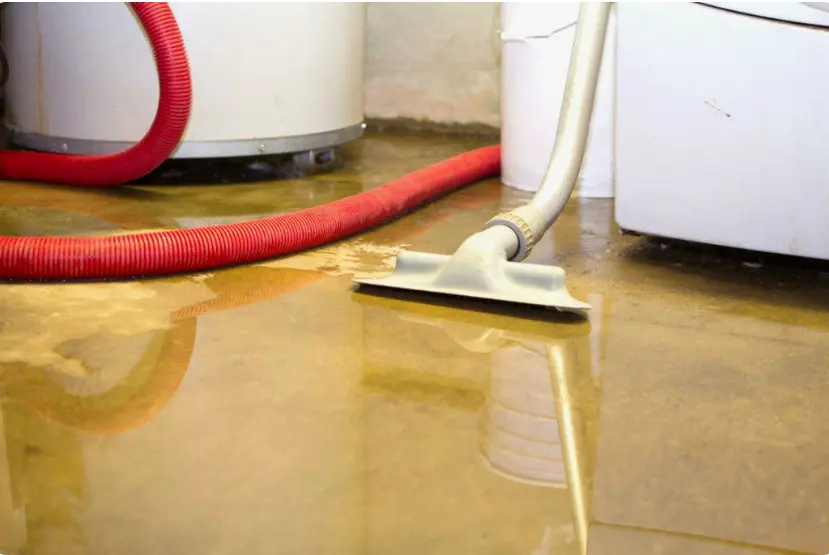
Standing water should be removed as soon as it is safe to begin cleanup. Restoration teams may use commercial pumps, wet extraction equipment, and specialized vacuums to remove water from affected areas.
Water extraction is important because standing water can continue soaking into flooring, drywall, wood, and other porous materials.
However, removing visible water is only one part of the job. Moisture may remain trapped underneath floor coverings, inside wall cavities, or within other structural materials.
Step 3: Moisture Detection and Structural Drying
Once standing water has been removed, the drying process begins. Professional restoration teams use equipment such as commercial air movers and dehumidifiers to support controlled drying.
Moisture meters and other detection tools can help locate damp materials that are not visibly wet.
Structural drying may involve:
- Improving airflow throughout affected rooms.
- Removing excess moisture from indoor air.
- Monitoring moisture levels in walls, floors, and other materials.
- Checking hidden areas where water may have traveled.
- Adjusting drying equipment based on inspection results.
The objective is to dry affected materials appropriately rather than simply make the surfaces feel dry. Moisture monitoring helps determine when the drying work is complete.
Step 4: Removal of Unsalvageable Materials
Some materials can be cleaned and dried, while others may be too damaged or contaminated to restore.
Depending on the inspection findings, restoration work may require removing:
- Saturated drywall.
- Wet or contaminated insulation.
- Damaged carpet padding.
- Severely affected flooring.
- Swollen or deteriorated building materials.
- Other items that cannot be safely restored.
Material removal should be based on the extent of damage and contamination. Removing more material than necessary can increase repair costs, while leaving severely damaged materials in place can create additional problems.
Step 5: Cleaning and Sanitization
After water extraction and necessary material removal, affected areas may require detailed cleaning.
The cleaning method depends on the type of water and the materials involved. For contaminated water, appropriate cleaning and disinfection procedures are particularly important.
This stage may include cleaning hard surfaces, treating affected areas with suitable products, and addressing odors caused by contamination or prolonged moisture.
Not every water damage incident requires the same level of sanitization. Restoration professionals should select procedures based on the actual conditions found during the inspection.
Step 6: Mold Inspection and Remediation When Needed
Moisture left behind after a leak or flood can create conditions that support mold growth. Mold may develop on drywall, wood, insulation, carpeting, and other materials when moisture remains present.
A musty smell, visible spots, discoloration, or recurring moisture problems may indicate a need for further evaluation.
If mold is present, professional mold remediation may be necessary. This can involve identifying the moisture source, containing the affected area when appropriate, removing contaminated materials, cleaning surfaces, and addressing the conditions that allowed mold to develop.
Water damage restoration and mold remediation are related, but they are not identical services. Drying a property helps address moisture, while mold remediation focuses on an existing mold problem.
Step 7: Repairs and Property Restoration
Once the affected areas have been properly dried, cleaned, and cleared for repair, reconstruction can begin.
Depending on the damage, this may involve:
- Replacing drywall and insulation.
- Repairing or replacing flooring.
- Repainting walls and ceilings.
- Repairing damaged cabinets and trim.
- Replacing affected building materials.
- Restoring other damaged interior areas.
The final goal is to return the affected spaces to safe, usable condition and address the damage caused by the water intrusion.
How Long Does Water Damage Restoration Take?
There is no single timeline for every water damage restoration project. A small leak affecting one room may require less work than a major flood that saturates several rooms and structural materials.
The restoration timeline depends on several factors:
Amount of water: A larger volume of water usually requires more extraction and drying work.
Type of materials affected: Carpet, drywall, insulation, wood, and concrete absorb and release moisture differently.
Duration of exposure: Water that has remained in a property for an extended period may cause more extensive damage.
Water contamination: Sewage or contaminated floodwater may require additional cleaning, removal, and safety procedures.
Extent of repairs: Replacing flooring, drywall, cabinets, or other materials can add time after the drying phase is complete.
Homeowners should avoid rushing the drying process just to begin reconstruction sooner. Moisture levels should be checked before repairs cover affected areas.
What Are the Signs of Hidden Water Damage?
Visible puddles and wet flooring are easy to recognize, but hidden moisture can be more difficult to identify. Water may travel behind walls, beneath floor coverings, and into ceilings without immediately creating obvious signs.
Watch for these warning signs:
- Brown or yellow stains on walls and ceilings.
- Peeling, bubbling, or blistering paint.
- Swollen baseboards or damaged trim.
- Warped, buckling, or loose flooring.
- Soft spots in drywall or wooden surfaces.
- Musty or damp odors.
- Persistent condensation in unusual areas.
- Unexpected increases in water bills.
- Visible mold or recurring discoloration.
A room may appear dry while moisture remains inside the building materials. If you notice these signs, a professional moisture inspection can help identify the source and extent of the problem before repairs begin.
How Much Does Water Damage Restoration Cost?
The cost of water damage restoration depends on the size of the affected area, the amount of water, the materials involved, and the type of cleanup and repair required.
A minor water leak may need limited water extraction and drying. A major flood can require extensive cleanup, removal of damaged materials, structural drying, mold remediation, and reconstruction.
Common factors that influence restoration costs include:
- Water damage severity: Extensive flooding generally requires more labor and equipment.
- Affected square footage: Larger areas take more time to inspect, extract, clean, and dry.
- Water category: Contaminated water may require specialized protective measures and disposal.
- Building materials: Flooring, drywall, insulation, cabinets, and subflooring may require different repair methods.
- Drying requirements: Hidden moisture may require additional equipment and monitoring.
- Mold remediation: Existing mold growth may require separate remediation work.
- Reconstruction: Replacing damaged flooring, drywall, paint, or other materials affects the overall project cost.
For a clearer estimate, homeowners should have the affected property inspected. A professional assessment can help identify the work required instead of relying only on the visible damage.
Does Homeowners Insurance Cover Water Damage?
Homeowners insurance may cover certain types of sudden and accidental water damage, but coverage depends on the policy, the source of water, and the circumstances surrounding the incident.
For example, a sudden pipe burst may be treated differently from long-term leakage or outside flooding. Standard homeowners policies commonly have limitations or exclusions for flood damage, and separate flood insurance may be needed for certain flood-related losses.
Before assuming that a restoration project will be covered, homeowners should review their policy and contact their insurance provider.
Steps to Take When Filing a Water Damage Claim
- Document the damage: Take photographs and videos of affected rooms, materials, and belongings when it is safe.
- Notify your insurance company: Report the incident promptly and ask about the claim process.
- Prevent additional damage: Take reasonable, safe steps to limit further water intrusion and damage.
- Keep receipts: Save records of emergency services, temporary repairs, and related expenses.
- Maintain inspection records: Keep copies of assessments, restoration estimates, and documentation of the work performed.
- Coordinate inspections: Follow your insurer’s instructions regarding property inspections and approval for permanent repairs.
Do not assume that every water-related loss is covered. Understanding your policy and documenting the incident can help you navigate the claims process.
Why Professional Water Damage Restoration Matters
Some homeowners may consider handling a small leak or flooded room themselves. While minor surface cleanup may be manageable in certain situations, larger incidents can involve hidden moisture, contaminated water, and damaged building materials.
Professional water damage restoration offers several important advantages.
Detection of Hidden Moisture
Specialized moisture detection equipment can help locate water that has traveled behind walls, beneath flooring, or into other concealed spaces.
Proper Water Extraction and Drying
Commercial extraction equipment, air movers, and dehumidifiers support a more controlled drying process than basic household cleanup methods.
Appropriate Handling of Contaminated Water
Floodwater and sewage backups may contain harmful contaminants. Professional restoration teams can assess the water category and determine the appropriate protective and cleanup procedures.
Mold Prevention and Remediation
Addressing moisture early can reduce conditions that support mold growth. If mold is already present, a separate remediation process may be needed.
Organized Repairs
Professional restoration involves more than removing water. It also considers the condition of affected materials and the repairs needed to restore the property.
How to Prevent Future Water Damage
Although not every water emergency can be prevented, regular maintenance and early attention to warning signs can reduce the risk of major problems.
Inspect plumbing regularly: Check under sinks, around toilets, near water heaters, and around exposed pipes for leaks or corrosion.
Maintain your roof: Look for damaged shingles, deteriorated flashing, and other signs that rainwater may enter the home.
Check appliance hoses: Inspect washing machine and dishwasher connections for cracks, loose fittings, and signs of leakage.
Keep drains clear: Avoid allowing debris, grease, and other materials to build up in plumbing and drainage systems.
Monitor indoor moisture: Pay attention to persistent condensation, damp smells, and areas that remain humid.
Maintain gutters and drainage: Keep gutters and downspouts clear so rainwater can move away from the home rather than collecting near the structure.
Consider leak detection devices: Water leak sensors near appliances, plumbing fixtures, and water heaters can alert homeowners to certain leaks before they become larger problems.
Address small leaks promptly: A minor plumbing issue can cause significant damage if it continues unnoticed.
For homeowners in Southwest Florida, it is also important to pay attention to storm preparation and local flood risks. Keeping important documents protected, knowing where the main water shutoff is located, and understanding your flood insurance coverage can help you prepare for water-related emergencies.
How to Choose a Water Damage Restoration Company
Choosing the right restoration company is an important decision, particularly when your home has experienced flooding or a major plumbing failure.
Before hiring a provider, consider the following:
- Relevant restoration experience: Ask about experience with water extraction, structural drying, flood cleanup, and property repairs.
- Appropriate credentials: Check applicable licenses, certifications, and insurance coverage.
- Professional equipment: Ask whether the company uses commercial water extraction and drying equipment.
- Moisture monitoring: Confirm that the restoration plan includes checking affected materials rather than relying only on visual inspection.
- Clear estimates: Request an explanation of the recommended work, materials, and potential additional costs.
- Communication: Choose a company that explains the restoration steps and keeps you informed about the project.
- Mold-related services: If moisture or mold is a concern, ask how the company evaluates and addresses those conditions.
A good restoration provider should explain what needs to be done, why it is necessary, and how the work will be evaluated before repairs are completed.
Water Damage Restoration in Port Charlotte and Southwest Florida
Water damage can affect homes and businesses throughout Southwest Florida. Plumbing failures, leaking appliances, roof problems, heavy rainfall, and flooding can all create situations that require professional cleanup and restoration.
Quality Restoration Services Inc. provides water damage restoration and emergency water damage mitigation services in Port Charlotte and nearby Southwest Florida communities. The company offers water removal, structural drying, mold inspection, air quality testing, mold remediation, and related restoration services.
Whether your property has experienced a plumbing leak, water heater failure, or storm-related water intrusion, addressing the damage promptly is important. A proper assessment can help identify affected areas, determine the necessary drying work, and establish what repairs may be required.
If you need help with water damage restoration in Port Charlotte, contact Quality Restoration Services Inc. to discuss your property and the next steps.
Call Quality Restoration Services Inc. at (941) 467-0088 to learn more about its restoration services.
Frequently Asked Questions About Water Damage Restoration
1. How quickly should water damage be addressed?
Water damage should be addressed as soon as it is safe to do so. Standing water and trapped moisture can spread into building materials and increase the risk of additional damage. Prompt water extraction and drying can help limit the affected area.
2. Can water damage cause mold growth?
Yes. Moisture from leaks, flooding, or plumbing failures can create conditions that support mold growth. Mold may develop on damp drywall, wood, carpet, insulation, and other materials. Prompt drying and moisture control help reduce the risk.
3. What is included in the water damage restoration process?
The water damage restoration process generally includes an initial inspection, water extraction, moisture detection, structural drying, cleaning, sanitization when necessary, mold remediation when required, and repairs to affected areas.
4. Can I stay in my home during water damage restoration?
It depends on the extent of the damage and the conditions inside the property. A small affected area may not require relocation, but extensive flooding, contaminated water, electrical hazards, or major reconstruction may make certain areas unsafe or unusable. Follow the recommendations of qualified restoration professionals and emergency authorities.
5. Is flood damage different from water damage?
Flood damage is a type of water damage, but it often involves water entering from outside the property, such as heavy rainfall or rising floodwaters. The water may contain contaminants and can affect multiple areas of a home. Insurance coverage may also differ between sudden internal water damage and outside flooding.
6. Can wet drywall and carpet be saved?
It depends on how much water they absorbed, how long they remained wet, and whether the water was contaminated. Some materials may be cleaned and dried, while others may need removal and replacement. A professional inspection helps determine the appropriate option.
7. Does water damage always require mold remediation?
No. Water damage does not automatically mean mold is present. However, moisture that remains in building materials can create conditions for mold growth. If mold is identified during an inspection, professional remediation may be recommended.
8. Will insurance pay for water damage restoration?
Coverage depends on the cause of the damage and the terms of your policy. Sudden and accidental plumbing failures may be covered under some policies, while outside flooding and gradual leaks may have different coverage rules or exclusions. Contact your insurer to understand your specific coverage.
9. How do professionals know when a home is dry?
Restoration professionals can use moisture meters and other monitoring equipment to check affected materials. Drying should be evaluated through moisture measurements and appropriate drying goals, not simply by checking whether a surface feels dry.
10. Who should I call for water damage restoration in Port Charlotte, FL?
Homeowners in Port Charlotte can contact Quality Restoration Services Inc. for water damage restoration and related cleanup services. Call (941) 467-0088 to discuss your situation and arrange the appropriate next steps.
Restore Your Property With Quality Restoration Services Inc.
Water damage can affect more than the appearance of your home. If moisture reaches walls, floors, insulation, or other building materials, it can create problems that continue even after visible water has disappeared.
Knowing what to do after a leak or flood can help you respond more confidently. Prioritize safety, stop the water source when possible, document the damage, and arrange a professional inspection when the affected area requires more than basic cleanup.
Quality Restoration Services Inc. provides water damage restoration, emergency water damage mitigation, structural drying, and mold-related services in Port Charlotte and Southwest Florida.
Contact Quality Restoration Services Inc. at (941) 467-0088 to discuss your water damage restoration needs.